Expert insight
Latin America’s pulp sector is entering a new emissions era – and electrostatic precipitators may be more strategic than many think
Expert insight
Latin America’s pulp sector is entering a new emissions era – and electrostatic precipitators may be more strategic than many think
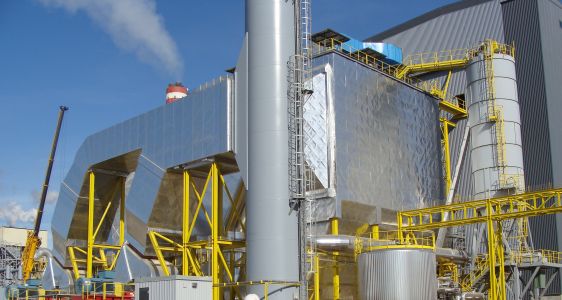
Airnord has decades of experience with electrostatic precipitators (ESPs) for demanding pulp and paper applications. In this article, Marcelo Tempesta, Managing Director of Airnord’s Latin American operations, examines why ESP performance is increasingly linked not only to emissions compliance, but also to mill economics, process efficiency and long-term operational resilience.
When people talk about the future of Latin America’s pulp industry, the conversation usually starts with familiar themes: fiber supply, export markets, skilled labor shortages, mill capacity. But as Marcelo Tempesta, Managing Director of our Latin American operations, explains in a recent conversation, another subject is becoming a definite hot topic – air pollution control (APC).
According to Tempesta, there is an emerging consensus that electrostatic precipitators (ESPs) are no longer just compliance equipment. They are, he says, becoming part of a much broader discussion about competitiveness, performance and long-term resilience.
Below, Marcelo examines this development from three different but related perspectives:
1. New focus on value creation in Latin American pulp industry
Latin America’s pulp market is entering a more complex phase. Long-standing growth certainties around eucalyptus pulp exports are no longer guaranteed. Brazil remains a global leader, but demand dynamics are shifting – particularly as China, historically a key export destination, builds more domestic capacity. As Tempesta puts it, this is ‘putting pressure on margins and enforcing tougher capex discipline’.
In this context, it would be easy to assume buyers will default to the lowest-cost solutions. But this is precisely where the industry risks oversimplifying the conversation. Too often, procurement processes reduce APC decisions to simplified comparisons – typically ESP versus baghouse – with assumptions about which option is ‘cheaper’.
Need to prove pulp mill APC lifecycle economics
But this framing misses the bigger picture.
‘An ESP should not be evaluated in isolation’, Tempesta explains. ‘It needs to be assessed as part of the full system: draft fan requirements, energy consumption, process integration, maintenance strategy and long-term operating cost’.
In other words, what appears cheaper upfront may not remain cheaper over time.
The commercial challenge, therefore, is not just about pricing – it’s about reframing value. Suppliers that succeed will be those who can clearly demonstrate lifecycle economics, not just capex. That also requires engaging beyond procurement – reaching plant leadership and decision-makers who understand uptime, recovery efficiency and total cost of ownership.
As Tempesta succinctly puts it: ‘In a tighter market, the winners won’t be those offering the lowest price – but those making the strongest value case’.
2. Lower pulp mill emissions together with process efficiency
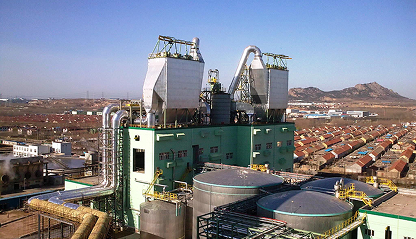
The technical discussion around ESPs is also evolving, particularly in pulp recovery applications, where performance is not just about emissions, but about process efficiency.
A critical, and often underappreciated, point is that ESP performance influences not only what leaves the stack, but also what stays in the process. High-performing ESPs, for instance, do more than reduce particulate emissions, they enable the recovery of costly chemicals that are fed back into the production process. Thus, lower particulate emissions materially impact mill economics.
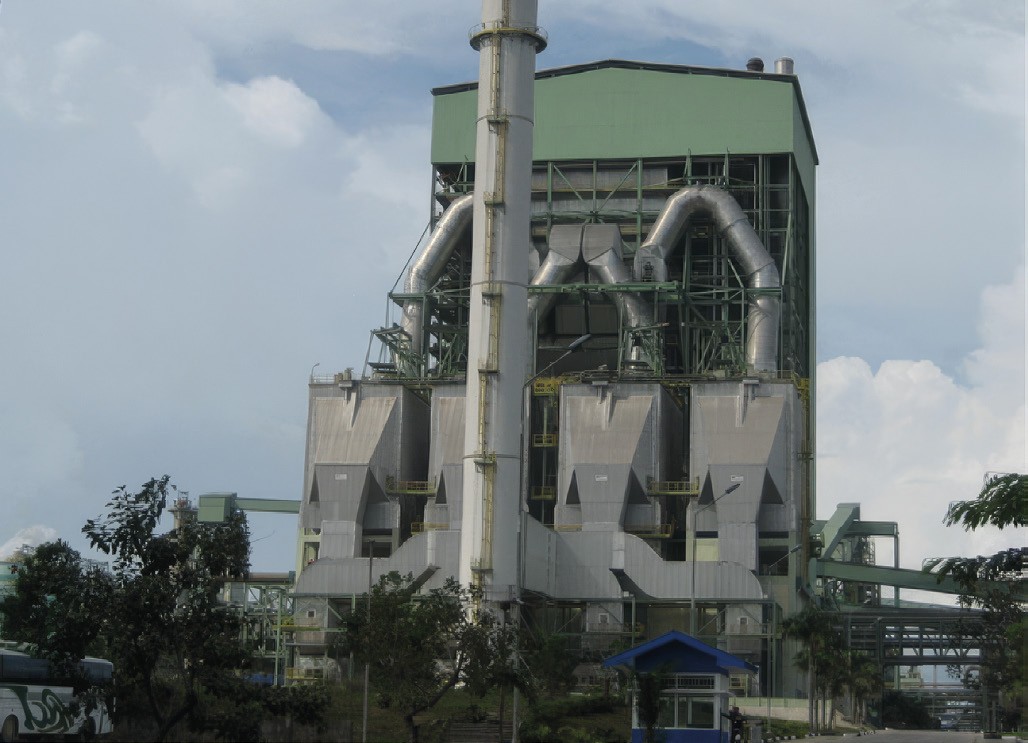
Yet many customers still view ESPs as end-of-pipe environmental hardware. According to Tempesta, this mindset limits decision-making.
‘The benefits of an ESP are not confined to compliance’, he says. ‘They extend directly to operating financials. We need to shift the question from “What does this system cost?” to “What value does better performance return to the process?”’
Maintenance models are key to APC value generation
This shift also highlights the importance of maintenance and service quality. In many cases, underperformance is actually not driven by core technology limitations, but by operational practices: non-original spare parts, inconsistent inspections, delayed interventions. The result? Degraded performance and often misplaced accountability.
This is why Tempesta sees the technical future of APC as increasingly tied to service models.
‘Equipment alone is no longer enough’, he says. ‘Performance will increasingly depend on how well systems are monitored, maintained and continuously optimised over time’.
3. Align pulp mill sustainability gains with economic benefits
Sustainability is the third, and increasingly decisive, dimension shaping APC in Latin America. Regulatory pressure is building. In Chile, potential tightening of emissions standards for recovery boilers could push particulate limits beyond what many existing ESP installations were designed to meet. If implemented, this will likely accelerate retrofit and upgrade cycles.
Brazil presents a more nuanced picture. While the technical case for ultra-low emissions is strong, investment appetite remains constrained. This makes it even more important to align sustainability improvements with clear operational and economic benefits.
Digitalisation pushing APC to a proactive function in pulp mills
At the same time, sustainability is no longer just about satisfying regulations. It is increasingly tied to operational resilience and smarter plant management. This is where innovation is beginning to reshape the landscape.
For example, the use of drones for thermal inspections is improving safety, identifying issues earlier and reducing reliance on high-risk manual inspections during outages.
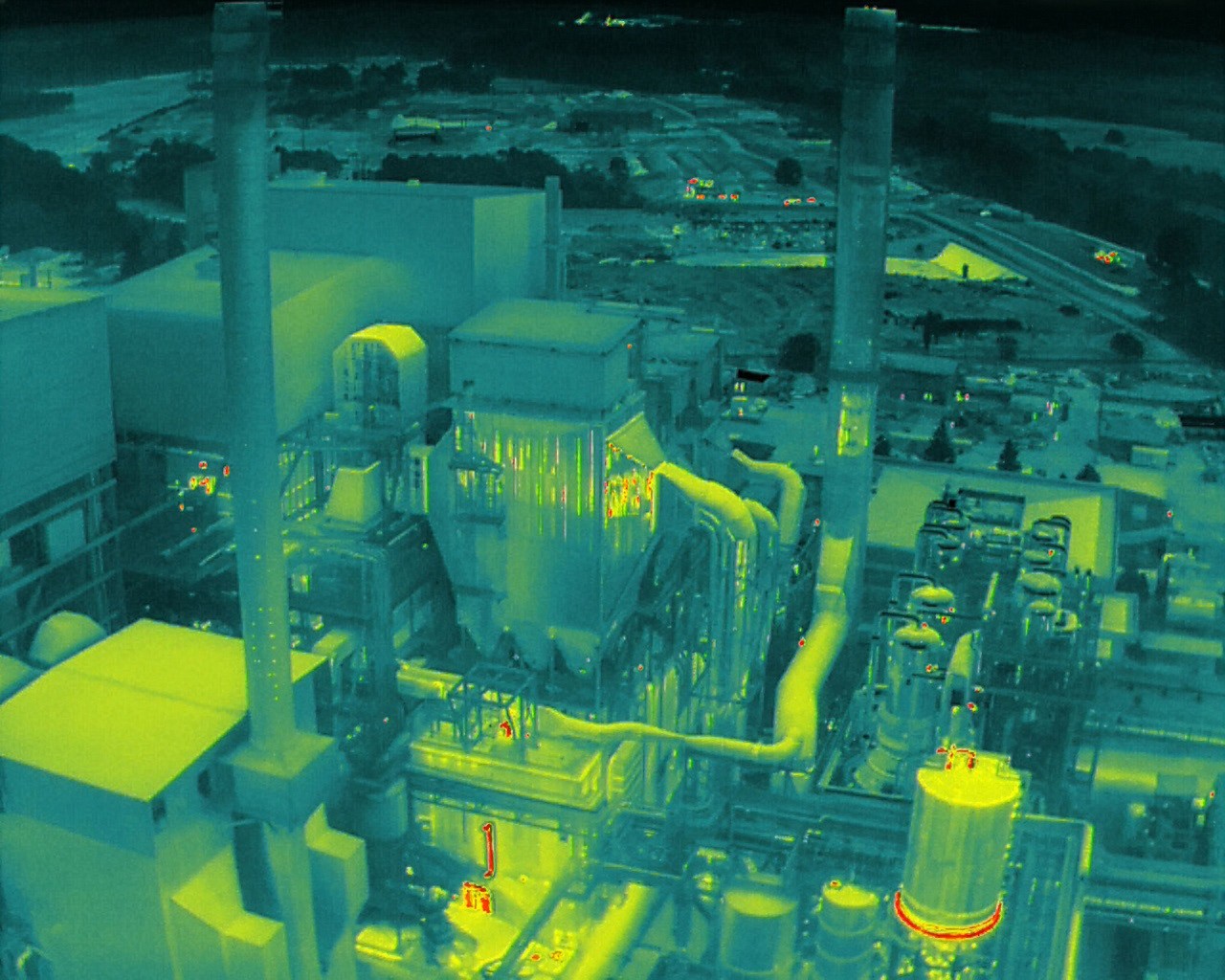
Meanwhile, digital services – such as remote monitoring, cross-site benchmarking and predictive analytics – are enabling mills to anticipate problems before they impact production. These capabilities move APC from a reactive function to a proactive one.
As Tempesta notes, ‘the future of APC in Latin America will not be defined by hardware alone. It will be shaped by the ability to combine equipment expertise with smarter service models, better diagnostics and more proactive support’.
ESPs: From mere equipment to industry shaper
Whether viewed from a commercial, technical or sustainability perspective, one message is consistent: APC is no longer a peripheral consideration – an afterthought or a piece of equipment required only to satisfy environmental regulations.
As regulation tightens and economic pressures increase, pulp producers will need emissions-control systems that do more than satisfy a permit. They will need solutions that protect uptime, recover value and enable more intelligent, resilient operations.
For suppliers, this represents a fundamental shift – from simply selling equipment to clearly demonstrating the full value that ESPs deliver.
Tempesta concludes: ‘The suppliers and the pulp manufacturers that succeed will be those that truly realise APC is not just compliance, that it’s a strategy. It is these organisations that will define the next phase of competitiveness in Latin America’s pulp industry’.